Dishwasher Not Cleaning? 8 Fixes for Dirty, Gritty or Filmy Dishes

Start with what you see on the dishes. Grit, white film and food left on the top rack each point to a different cause, so the table below saves time.
Dishwasher not cleaning: match what you see
| What you notice | Most likely cause | Next step |
|---|---|---|
| Gritty or sandy residue on dishes | Dirty filter recirculating food | Clean the filter |
| Food left on the top rack only | Upper spray arm blocked or not turning | Spray arms |
| Food left on the bottom rack only | Tall items stopping the lower arm, or Top Rack Only selected | Loading, cycle |
| White film or spots, especially on glasses | Hard water, too little detergent, no rinse aid | Hard water |
| Detergent pod not dissolving | Water not hot, dispenser blocked, or a short cycle | Hot water, detergent |
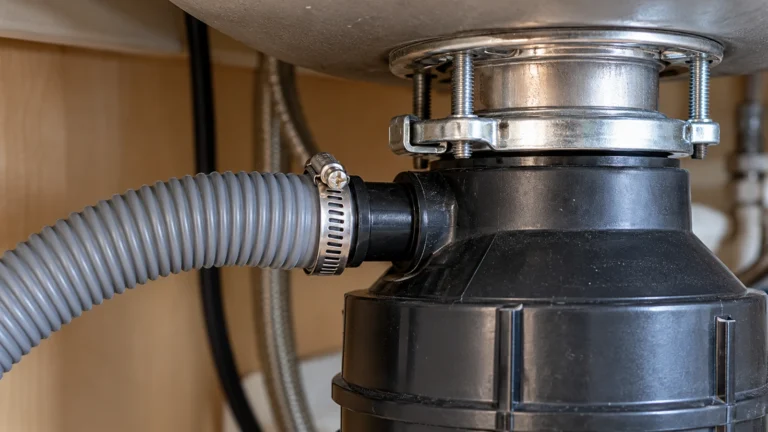
| Dirty dishes and water left in the bottom | Drain problem | Dishwasher not draining |
1. Clean the filter
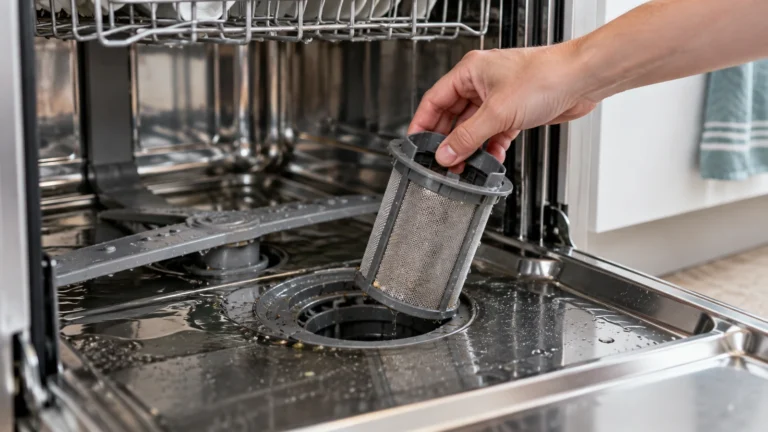
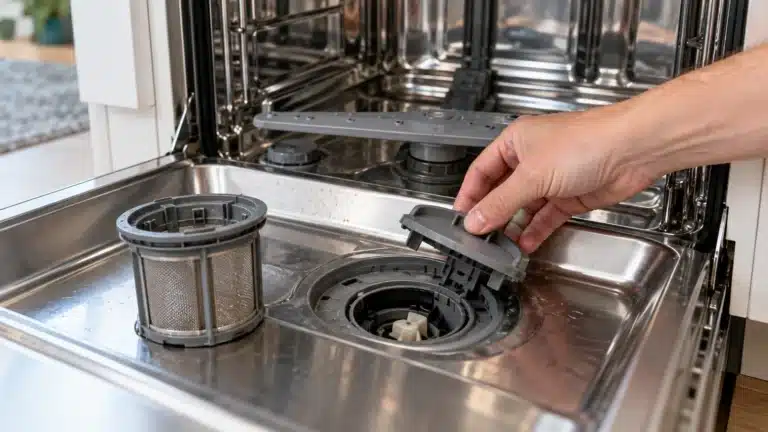
A clogged filter means the dishwasher keeps spraying the same dirty water back onto your dishes. Bosch: “Clean the filter regularly (located at the bottom of your dishwasher).” Whirlpool and KitchenAid recommend rinsing the filters “at least once a month.” Twist the filter out (usually counterclockwise), rinse it under the tap with a soft brush, and refit it until it locks. Don’t use a wire brush or scouring pad; they damage the mesh.
2. Clear the spray arm holes
Seeds, labels and hard-water scale block the small holes in the spray arms. Bosch’s check: “Rinse them under water to see if any of the holes are blocked.” “If they are, use a toothpick to loosen any debris caught in the holes.” Most arms unclip or unscrew from the center; your manual shows how. Spin each arm by hand afterwards: it should turn freely.
⚠️ Caution: power off and watch for glass
Turn the dishwasher off before removing the filter or spray arms, and let it cool for a few minutes after a cycle; the heating element in the bottom can stay hot. Wear gloves when reaching into the sump in case of broken glass. Never use hand dish soap in the dishwasher.
3. Load so water can reach everything
- Spray arms must turn. KitchenAid’s test: after loading, turn the spray arm “very gently” by hand; if it doesn’t turn easily, reload. “A common issue is loading taller items in the bottom rack, which can prevent the spray arms from turning.”
- Don’t overlap. LG: “Stand plates upright, and load bowl-shaped items (cups, pots, etc.) upside down. Make sure dishes do not overlap.”
- Face the mess toward the water. Whirlpool: “Face the soiled surfaces downward and inward toward the spray arms.”
- Keep the detergent door clear so it can open fully.
- Don’t overload. Whirlpool: “Avoid overloading.” Whirlpool also notes that clogged nozzles are often “caused by improper loading.”
4. Start with hot water
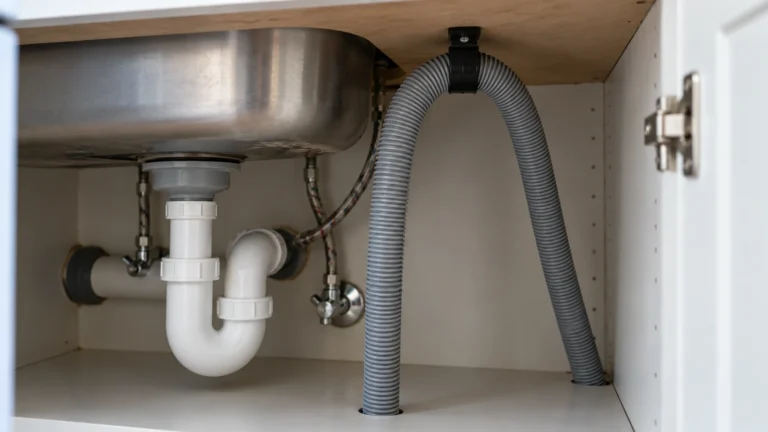
Detergent needs hot water to work. GE’s manual: “Check inlet water temperature. It should be at least 120°F.” Maytag: “water should be about 120°F as it enters the dishwasher.” Maytag suggests running “the hot water at the faucet closest to the dishwasher prior to starting your load.” Check that the dishwasher’s water supply valve under the sink is fully open; Whirlpool says it “must be completely open to properly wash and rinse the dishes.”
5. Use fresh detergent and rinse aid
- Automatic dishwasher detergent only. Maytag: “You should never use dish soap inside your dishwasher.”
- Tablets and packs: Whirlpool says quality tablets and packs “have been proven better than powder, liquid, or gel detergents at reducing filming on dishes.” LG says “Liquid detergent is not recommended, as it may reduce cleaning performance.”
- Fresh detergent: old powder clumps and won’t dissolve. Maytag says to store your “tightly closed detergent container in a cool, dry place.”
- Rinse aid: Whirlpool: “The use of rinse aid is very important.” It helps with spots and drying.
- Don’t pre-rinse: Bosch says “No need to pre-rinse dishes before loading,” because “Detergent needs small food debris to cling to in order to work properly.” ENERGY STAR agrees: “just scrape food off dishes.”
6. Deal with hard water film
White, chalky film that won’t wipe off is usually hard-water minerals. Whirlpool says hardness of “15 grains per U.S. gallon or more” makes good results difficult, and “A water softener is strongly recommended if your hardness is 15 grains or more.” Whirlpool notes “Hard water typically needs extra detergent.” Use rinse aid every load and run a dishwasher cleaner (such as affresh) or a white vinegar rinse to clear existing film.
7. Pick the right cycle
Whirlpool: “If your food soil is heavy on the dishes, a heavier cycle may be required to fully clean your dishes,” and suggests the high-temperature wash option. Short cycles and Rinse Only can leave detergent in the cup. If you selected Top Rack Only, the lower arm doesn’t run.
8. Clean the dishwasher itself
Once a month, or whenever dishes start coming out cloudy: clean the filter, then run an empty hot cycle with a dishwasher cleaner. LG’s Tub Clean uses 40 g of citric acid in the detergent cup. Samsung suggests 2 cups of white vinegar in the bottom of the empty dishwasher, or 1/4 cup of citric acid if vinegar doesn’t work. Follow your own manual for the cycle to use.
What a cleaning-performance repair usually costs
| Repair | Typical cost | Source |
|---|---|---|
| Spray arm repair or replacement | $75 to $150 | Angi (Oct 2026), Fixr (Jan 2025) |
| Filter replacement | $50 to $125 | Fixr (Jan 2025) |
| Water inlet valve | $75 to $150 | Fixr (Jan 2025) |
| Heating element | $150 to $300 | Fixr (Jan 2025) |
| Diagnostic fee | $50 to $80 | Angi (Oct 2026) |
When to call a technician
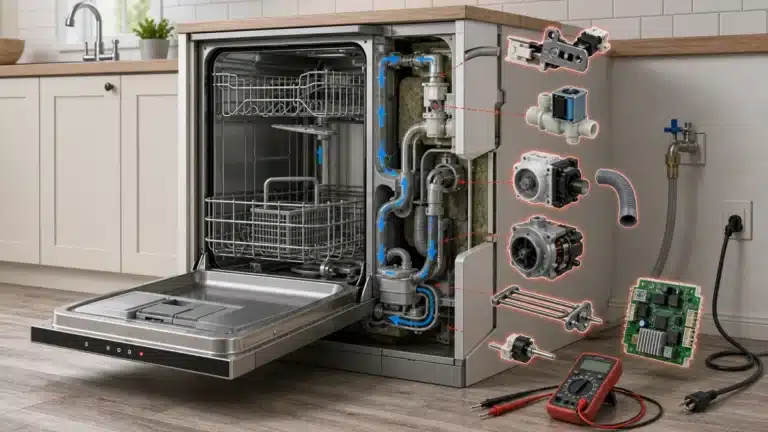
Call if the filter and arms are clean, the water is hot, loading and detergent are right, and dishes still come out dirty; if the spray arms don’t turn during a cycle (you’ll hear no swishing); if the detergent door doesn’t open; or if the dishwasher doesn’t fill properly. Those point to the wash pump, inlet valve or dispenser. Print the checklist.
Frequently asked questions
Why is my dishwasher suddenly not cleaning?
Most often a clogged filter or spray arm, a load that blocks the arms, or water that isn’t hot when the cycle starts. Clean the filter and arms first.
Why are my dishes gritty after the dishwasher?
Food particles are being sprayed back onto them. Clean the filter, and make sure the dishwasher is draining properly.
Why is my dishwasher not cleaning the top rack?
The upper spray arm is blocked or can’t turn. Clear its holes and check nothing on the top rack hits it.
How do I clean a dishwasher that isn’t cleaning properly?
Clean the filter and spray arms, then run an empty hot cycle with a dishwasher cleaner, citric acid or white vinegar, following your manual.
What is the lifespan of a dishwasher?
InterNACHI lists about 9 years. If yours is near that age and needs a major part like the wash pump, replacing it may make more sense.
Sources: Whirlpool: dishes are not clean · Whirlpool: dishwasher not cleaning · Maytag: dishwasher not cleaning · KitchenAid: dishwasher not cleaning · Bosch: not cleaning dishes · LG: not cleaning well · GE dishwasher use and care guide · Samsung: dishwasher not cleaning well · ENERGY STAR: dishwashers · InterNACHI: life expectancy · Angi: dishwasher repair cost · Fixr: dishwasher repair cost.
Updated October 23, 2026. Written and edited by Jordan Hale. Steps checked against Whirlpool, Maytag, KitchenAid, Bosch, LG, GE and Samsung support pages and ENERGY STAR; no hands-on test is claimed. Buttons and cycles vary by model, so follow your owner’s manual.